




Long-Term Care Worker Trainings
Training You Can Trust - Skills You Can Use
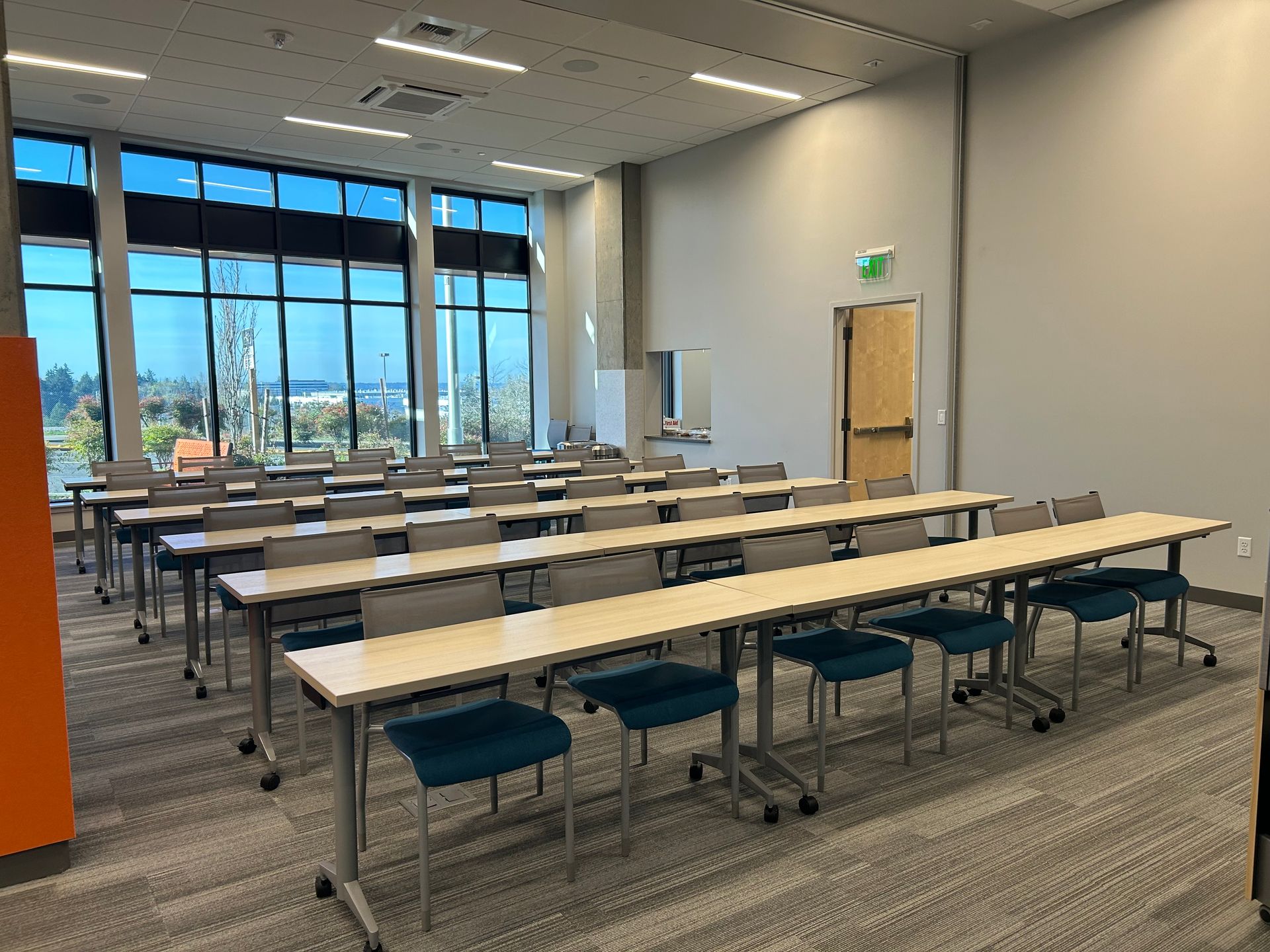
Our Training Space
In partnership with our Supported Living Program, our DSHS-Approved training team offers engaging, high-quality courses designed to help Long-Term Care Workers and Direct Support Professionals build confidence, strengthen their skills, and thrive in their roles.

Gain Relevant Certifications
Whether you're looking to meet certification requirements or looking to grow professionally, our trainings provide practical, real-world tools you can apply right away.
Testimonials
See what our students are saying about us!
"Presentation was thorough but well paced and participation & discussion was encouraged. Personal safety & boundaries prioritized."
Attendee of Mental Health Level 1 Specialty Training
July 2026
"We need more of these trainings to improve our performance and put lessons into practice. I appreciate the training and time taken."
Attendee of Dementia Level 1 Specialty Training
March 2026
"Hailey you are really awesome! This is my first time being in a class that was not boring. I learned a lot and had fun doing it. Thank you so much, can't wait to attend another training with you!"
Attendee of the 40-hour Training
May 2026
Our monthly courses include:
Mental Health Level 1 Specialty Training
Dementia Level 1 Specialty Training
Cardiopulmonary Resuscitation (CPR), AED, and First Aid Training
We also have another course available regularly:
We offer the DDA-approved 40-hour training to other individuals working in Supported Living Programs in the state of Washington. For more information, review the tab below.
Ready to take the next step?
Secure your spot in an upcoming training by signing up below—we’d love to have you join us!
WHAT TO EXPECT

PREPARING FOR CLASS
What should you bring to class?
- Your state-issued ID card or other form of identification
- And yourself!
What you should know about each class
- There will be light snacks and water provided, and there is a refrigerator on-site if you choose to bring a lunch. There are limited dining options nearby, so please plan accordingly.
- There will be small breaks throughout each training, as well as a 30-minute lunch for full-day trainings.
- You will be provided with a workbook to use throughout the class, related to the topic that will be taught on that day
- You will receive a certificate for the class within 5 business days of completing the course
Parking
If you need parking, please reach out to hcreighton@arcofkingcounty.org.
We have limited spots available on-site, so parking is on a first-come first-serve basis.
There is usually other parking available nearby.

WHEN DO YOU OFFER 40-HOUR TRAINING AND HOW CAN I SIGN UP?
What is the DDA-Developed 40-Hour Training?
The 40-hour training designed by the Developmental Disabilities Administration (DDA) in Washington State provides foundational knowledge and practical skills for individuals supporting people with developmental disabilities. This comprehensive program prepares caregivers, support staff, and providers to deliver person-centered services that promote independence, dignity, and community inclusion.
Participants receive instruction in key areas such as:
- Understanding developmental disabilities
- Effective communication strategies
- Positive behavior supports
- Health and safety practices; and
- Legal and ethical responsibilities.
The training also emphasizes respect for individual rights, cultural competency, and the importance of building meaningful relationships that enhance quality of life.
Through a combination of classroom learning, interactive discussions, and real-world scenarios, trainees develop the confidence and competence needed to respond to diverse needs and situations. By the end of the 40-hour program, participants are equipped to provide safe, compassionate, and high-quality support aligned with Washington State standards and best practices in developmental disability services.
We offer the 40-Hour training exclusively In-Person, in SeaTac, WA. This class runs from 9:00am-5:00pm, Monday through Friday.
Here are our upcoming class dates:
- October 12th - 16th: 9:00am-5:00pm
- December 7th - 11th: 9:00am-5:00pm
To sign up, please email hcreighton@arcofkingcounty.org. We have limited availability, so please await confirmation that you have been added to the roster prior to attending the training.
If you have any questions about sign-up, or the process in general, please reach out to the email above!

WHAT DO WE COVER IN MENTAL HEALTH LEVEL 1?
📚 Who it’s for
Typically required (or strongly recommended) for:
- Long-term care workers (home care aides, CNAs in some roles)
- Adult family home providers
- Assisted living staff and managers
- Direct Support Professionals
⏱️ Length & format
- 8 hours total (1 full day)
- Offered In-Person
📝 Certification requirements to pass:
- Attend the full session
- Pass a competency exam (80% or higher)
You then receive a:
- DSHS-approved Mental Health Level 1 Specialty Training Certificate
- Counts as 8 hours of continuing education (CEUs) in Washington State
- Population-specific training toward caregiver certification
🧩 What the training covers
The curriculum is standardized (DSHS-approved) and includes:
- Overview of common mental health conditions
- Trauma-informed and compassionate care
- Communication skills and boundaries
- Suicide prevention basics
- Crisis response and de-escalation
- Supporting daily living activities (ADLs) with mental health considerations
- Self-care for caregivers
⚖️ Why it exists (regulatory context)
Washington requires specialty training because caregivers must be able to:
- Safely support residents with mental health conditions
- Recognize behaviors and respond appropriately
- Provide competent, population-specific care
- This is defined under the Washington Administrative Code (WAC 388-112A) for long-term care training.
🧭 Key takeaway
Mental Health Level 1 Specialty Training is:
- Entry-level but required training for many caregiving roles
- Focused on practical, real-world mental health support skills (not clinical therapy)
- A one-day certification that helps you stay compliant with WA state regulations

WHAT DO WE COVER IN DEMENTIA LEVEL 1?
📚 Who it’s for
Typically required (or strongly recommended) for:
- Long-term care workers (home care aides, CNAs in some roles)
- Adult family home providers
- Assisted living staff and managers
- Direct Support Professionals
⏱️ Length & format
- 8 hours total (1 full day)
- Offered In-Person
📝 Certification requirements to pass:
- Attend the full session
- Pass a competency exam (80% or higher)
You then receive a:
- DSHS-approved Dementia Level 1 Specialty Certificate
- 8 hours of continuing education (CEUs)
- Population-specific training toward caregiver certification
🧩 What the training covers
The curriculum is standardized (DSHS-approved) and includes:
- Basics of dementia and how it affects the brain
- Differences between delusions vs. hallucinations
- Communication strategies with people with dementia
- Supporting activities of daily living (ADLs)
- Managing challenging behaviors (e.g., aggression, wandering)
- Trauma-informed care approaches
- Working with families and care teams
- Topics like sexuality, dignity, and person-centered care
It emphasizes behavioral understanding and practical caregiving techniques, not medical treatment.
⚖️ Why it exists (regulatory context)
Washington requires dementia specialty training to ensure caregivers can:
- Provide safe, appropriate care for individuals with cognitive impairment
- Understand dementia-related behaviors and respond effectively
- Deliver person-centered, dignity-focused care
This is governed under Washington Administrative Code (WAC 388-112A) for long-term care training.
🧭 Key takeaway
Dementia Level 1 Specialty Training is:
- A required, entry-level dementia care certification in WA
- Focused on hands-on caregiving skills and behavior management
- A one-day (8-hour) training that supports compliance and better care outcomes
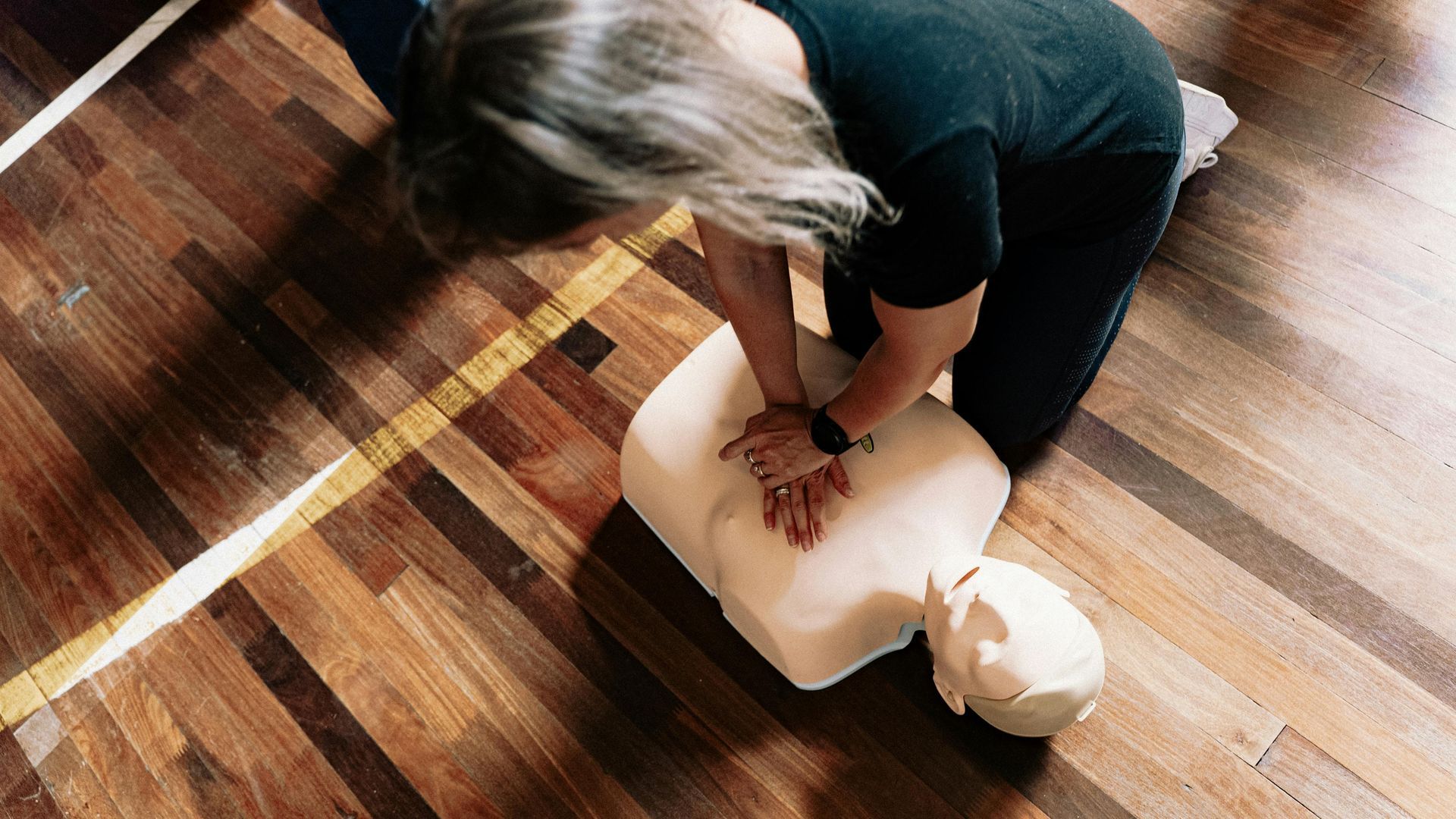
WHAT DO WE COVER IN CPR/AED/FIRST AID TRAINING?
What it is (big picture)
CPR/AED/First Aid Training is a hands-on, lifesaving course that prepares participants to respond confidently in medical emergencies. It focuses on immediate care and quick decision-making—the critical actions that can stabilize someone and even save a life before professional help arrives.
This training is practical, interactive, and designed for real-world situations you could encounter at work, at home, or in your community.
📚 Who it’s for
Ideal (and often required) for:
- Long-term care workers and Direct Support Professionals
- Teachers, childcare providers, and coaches
- Workplace safety teams
- Anyone who wants to be prepared in an emergency
No prior medical experience is needed—just a willingness to learn and participate.
⏱️ Length & format
5 hours in length
Includes:
- Instructor-led demonstrations
- Hands-on practice with mannequins and training equipment
- Real-life scenario simulations
This course is offered In-Person only in SeaTac, WA
📝 Certification requirements
To successfully complete the training:
- Participate in hands-on skills practice
- Demonstrate competency in CPR and AED use
- Pass a brief skills assessment
You receive:
- A CPR/AED/First Aid certification card that is valid for 2 years
🧩 What the training covers
This course focuses on practical, lifesaving skills you can use immediately, including:
- Recognizing emergencies quickly
- Cardiac arrest, choking, severe bleeding, and shock
- When and how to call 911
- CPR (Cardiopulmonary Resuscitation)
- Adult CPR techniques
- High-quality chest compressions and rescue breaths
- Hands-only CPR
- How to safely operate an AED (Automated External Defibrillator)
- Working as part of a response team
- Choking response
- Helping conscious and unconscious individuals
- Techniques for adults
- First Aid basics
- Treating cuts, burns, and wounds
- Controlling bleeding and using bandages
- Responding to seizures, allergic reactions, and fainting
- Scene safety and personal protection
- Keeping yourself safe while helping others
- Using gloves and barriers
- Confidence under pressure
- Staying calm and taking action in stressful situations
- Practicing real-life emergency scenarios
⚖️ Why it matters (real-world impact)
Emergencies can happen anywhere—and the first few minutes are often the most critical. This training ensures you can:
- Take immediate, effective action
- Support someone until emergency responders arrive
- Potentially save a life
🧭 Key takeaway
CPR/AED/First Aid Training is:
- A hands-on, practical certification focused on real emergencies
- Designed to build confidence, speed, and skill under pressure
- One of the most valuable trainings you can take—for work and for life

WHAT TO DO IF YOU CAN'T MAKE IT TO CLASS
Purpose
This policy outlines expectations and procedures regarding participant attendance for paid training sessions.
It is designed to ensure fairness, maintain program quality, and protect the time and resources of trainers and attendees.
Definition of a No-Show
A “no-show” occurs when a registered participant fails to attend a scheduled training session without prior notice or cancellation within the required timeframe.
Cancellation Policy
Participants may cancel or reschedule their registration up to 1 business day before the training start time without penalty.
Cancellations must be submitted via email and confirmed received.
Late Cancellations
Cancellations made less than 1 business day before the session will be considered late cancellations.
Late cancellations may be subject to a 50% cancellation fee.
No-Show Policy
Participants who do not attend and fail to provide notice within the required timeframe will be considered a no-show.
No-shows are not eligible for refunds or credits unless otherwise specified.
Exceptions
Exceptions may be granted in cases of documented emergencies (e.g., illness, family emergency, or unforeseen circumstances).
Requests must be submitted within 2 business days after the missed session and are subject to review.
Transfers and Substitutions
Participants may transfer their registration to another individual up to 1 business day before the session at no additional cost.
All substitution requests must be communicated in advance.
Trainer Cancellations
If the Arc of King County cancels or reschedules a session, participants will be offered the option of a full refund or transfer to a future session.
Agreement
By registering for a training session, participants agree to the terms outlined in this policy.

WHAT TO DO IF YOU ARE RUNNING LATE?
Purpose
This policy establishes clear expectations for participants who arrive late to scheduled training sessions. It ensures minimal disruption, maintains training quality, and respects the time of all attendees and facilitators.
Definition of Late Arrival
A participant is considered “late” if they arrive after the scheduled start time of the training session.
Grace Period
A grace period of 15 minutes may be allowed for late arrivals.
Participants arriving within the grace period may join the session with minimal disruption.
Entry After Grace Period
Participants arriving more than 30 minutes late may be denied entry at the facilitator’s discretion.
This is to prevent disruption to the session and ensure continuity of learning.
Access to Materials
Late participants are responsible for catching up on missed content.
Training materials, recordings (if available), or summaries may be provided at the Trainer’s discretion.
Fees and Rescheduling
Late arrivals are not eligible for refunds or partial credits.
If denied entry due to excessive lateness, participants may be offered the option to reschedule to a future session.
Exceptions
Exceptions may be made for unavoidable or documented circumstances (e.g., emergencies, travel delays), subject to review by the trainer.
Participant Responsibility
Participants are expected to plan accordingly to arrive on time, accounting for traffic, or other potential delays.
Agreement
By registering for a training session, participants acknowledge and agree to comply with this late arrival policy.